The Wild Goose Chase for Success
Inspiration, the process of being mentally stimulated to do or feel something. Delusion, something that is falsely or delusively believed or propagated. These two words, at first glance, have nothing in common with each other. Inspirational describes things that convince us that we can do good, that our dreams are achievable in our lifetime, and are not a far-off fantasy. Delusional is what a therapist will one day describe me as for believing that learning piano would make me cooler. These two words do, however, overlap in one key belief, one that has existed as long as this country, The American Dream. The perpetuated dream that America is a land of opportunity, that with enough hard work, you can become wealthy, gaining happiness for your family. An intoxicating belief, that brings greed and selfishness out of all those it touches.
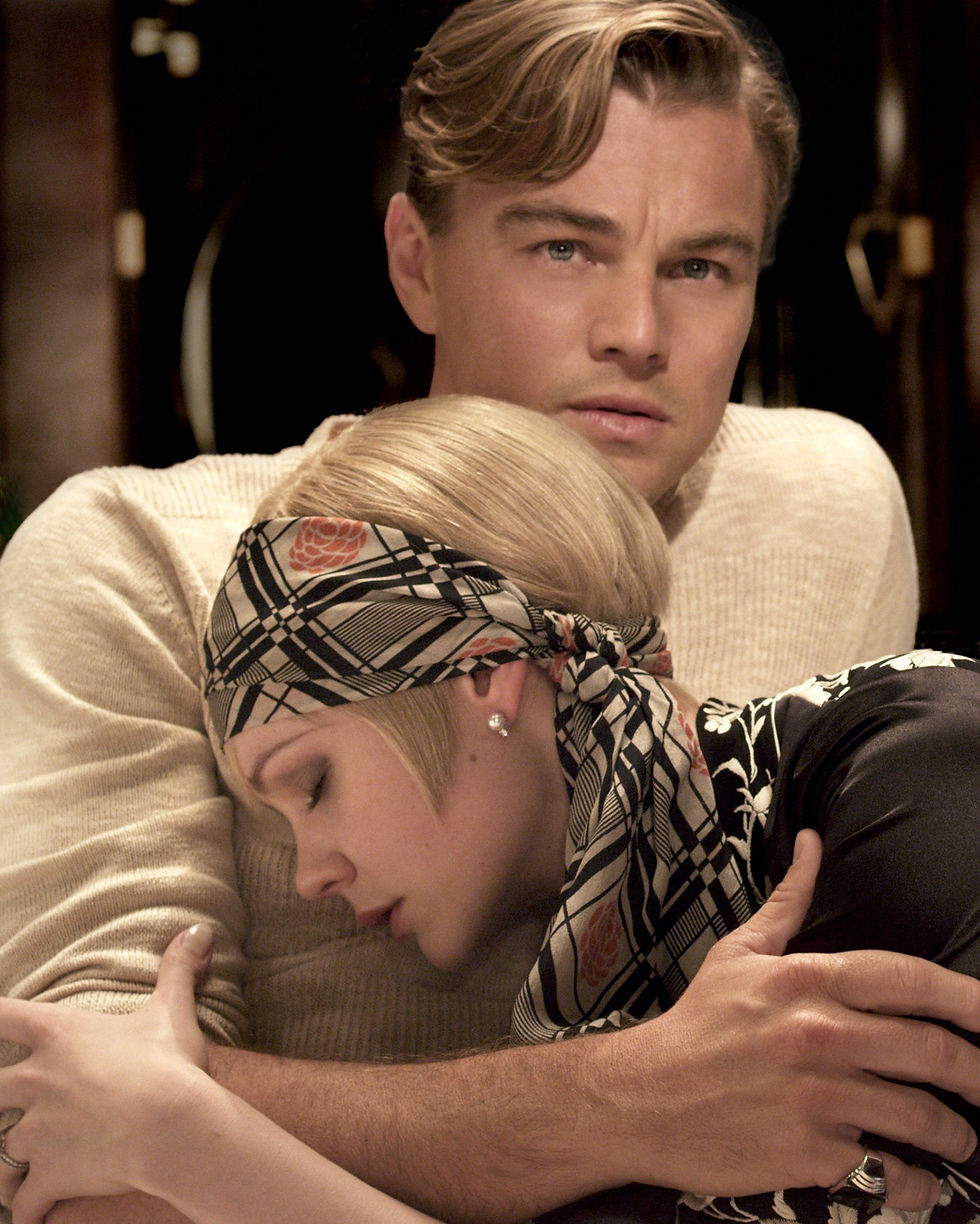
The first time I first figured out that the American was less cool uncle and more creepy uncle was in the F. Scott Fitzgerald book, The Great Gatsby. The Great Gatsby tells the story of Jay Gatsby, a wealthy man desperate to fit in with the citizens of East Egg but is unable to, despite his years of hard work. Gatsby was drunk off his personal faith in the belief that anything can be possible, but his dream was destined to fail because nobody can achieve it. The citizens of East Egg were born with their wealth, growing up in a paradise that money working-class citizens can only dream of achieving one day, and there is nothing they hate more than those who have earned their money throughout their life. To them, it’s a threat to their identity, if the common man can become their status of the elite, then it’s not elite, and nobody symbolizes this divide for Gatsby quite like Daisy.
In his essay on American nostalgia and real-life delusions, D. G. Kehl details out Gatsby’s slow but real emotional snap throughout the book over feeling powerless. Gatsby has been dreaming of the future for so long that he has lost the pride of physical accomplishments, and is now chasing the abstract idea of success, one that Gatsby believes Daisy can fill. As Kehl puts it, Daisy is, “…the epitome of Gatsby’s deep yearning for that which he himself cannot identify” (Kehl). Gatsby has been getting everything he wants for as long as he can remember that when he starts being denied that which he wants he starts to break down. Rather than back down from his dream, he ups the ante. Gatsby’s, “…frustration over indefinable and irretrievable loss…” is a result of his belief in the American dream for so long (Kehl).
He experiences that switch from inspiration to delusion, he has given up on the success he wanted and strives to change the unchangeable. He’s been able to achieve everything he has ever wanted through hard work, so the idea of an unreachable goal is an alien concept to him that has consumes his entire mind. He isn’t satisfied with all the money, fame, and power he has accrued over his life, his greed has consumed his life, leaving him unsatisfied with his life until his untimely death, a death caused by that greed. This story is by no means unique to Gatsby, however, as it is paralleled in the famous play, Death of a Salesman.
Death of a Salesman tells the story of Willy Loman, a businessman who ends up killing himself at the end of the play as a means to commit insurance fraud to help his family. Willy does this as a mechanism of attempting to satisfy his insatiable greed for success. Willy has this greed due to his idolization of his deceased brother Ben, who died in an expedition to Alaska searching for wealth, a trip that Willy turned down at the time. Willy has this false idolization of Ben, much like Gatsby has of Daisy, that his gamble in Alaska ended up making him wealthy when in actuality the gamble didn’t pay off and he ended up dying from it. Willy has been chasing the success that this image of Ben he has in his head achieved, and he feels unsatisfied in his life until he gets there, but there isn’t anything concrete thing he’s aspiring to. Similar to Gatsby, he’s chasing an idea, a vague notion of success that is unachievable, a success that isn’t based in reality, but because Willy ties it to a real-life person, Ben, he unconsciously has tricked himself that it is achievable in one’s lifetime. The end of the play would have you believe that Willy’s drive for the need to have a purpose in his life is what kills him,

when in actuality it is this idolization of Ben that leads Willy down the path of no return, as Johnathon Hart explores in his article on this subject.
Death of a Salesman is a play with a unique point of view over it. In most plays, we believe that the events we are witnessing are the events that are happening in real life, just with a main focus on the protagonist. Death of a Salesman takes the idea of a first-person point-of-view to its most experimental, by having Willy’s memories and delusions intermix with reality, and only noting this to the audience by a single auditory cue. Hart explores these fantasies Willy has about Ben to deduce that Willy’s constant obsession with this figment of Ben is what causes him to die in pursuit of money, much like Ben. As Hart puts it, “…Willy enters through the door; Ben leaves through it; and, finally Willy makes his last exit through it,” (Hart). This regret over not taking the trip to Alaska with Ben has caused Willy to carry that memory with him for his whole life, and through consuming his life, convinces Willy he must take the ultimate gamble, like Ben, and end his own life.

Now I know what you may be thinking, “Yeah, that’s awful for those characters, but nothing like that exists in the real world. Those are just isolated incidents for fictional characters,” Well, I’m sure you can already guess, but there is. Through all the glitz and glamour, stars and sparkle hides the evilest corporation out there: Hollywood. Before I talk about that, let me tell a little story from young Griffin. When I was in 8th grade, I was on a swim team for about a year. The reason I joined the swim team was that I was in love with an anime called Free. Free is an anime about a high school swim team and the main character's journey to try and be the best swimmer out there. This anime was so cool to 14-year-old Griffin that I wanted to be just like the main character, but I was chasing after a version of success that was unattainable as it was never real to begin with. It was thought up by a stressed-out Japanese manga artist who needed a cool main character for a sports manga. This is what connects these seemingly isolated stories to the real world, chasing after fabricated versions of reality.
If you’re looking for a more concrete connection between Hollywood and the works above, look no further than the thematic comparisons between American Psycho and The Great Gatsby explored by Benjamin Szumskyj.
Szumskyj explores the themes of American Psycho, phrasing Bateman as being obsessed with, “…the matriarchal manifestation of the United States of America and her ideal dream of fame…” which sounds eerily similar to Gatsby’s and Willy’s obsession in their respective books (Szumskyj). The major factor of American Psycho that makes it a classic in many people's minds is that the events of the movie could’ve been distorted by the twisted, delusive mind of Bateman. What is Patrick Bateman’s occupation in American Psycho? Yep, you guessed it, a businessman. One who probably was inspired by countless stories of success by those who have achieved more than him, and it ended up consuming his life, so he resorts to killing to get ahead of those around him.
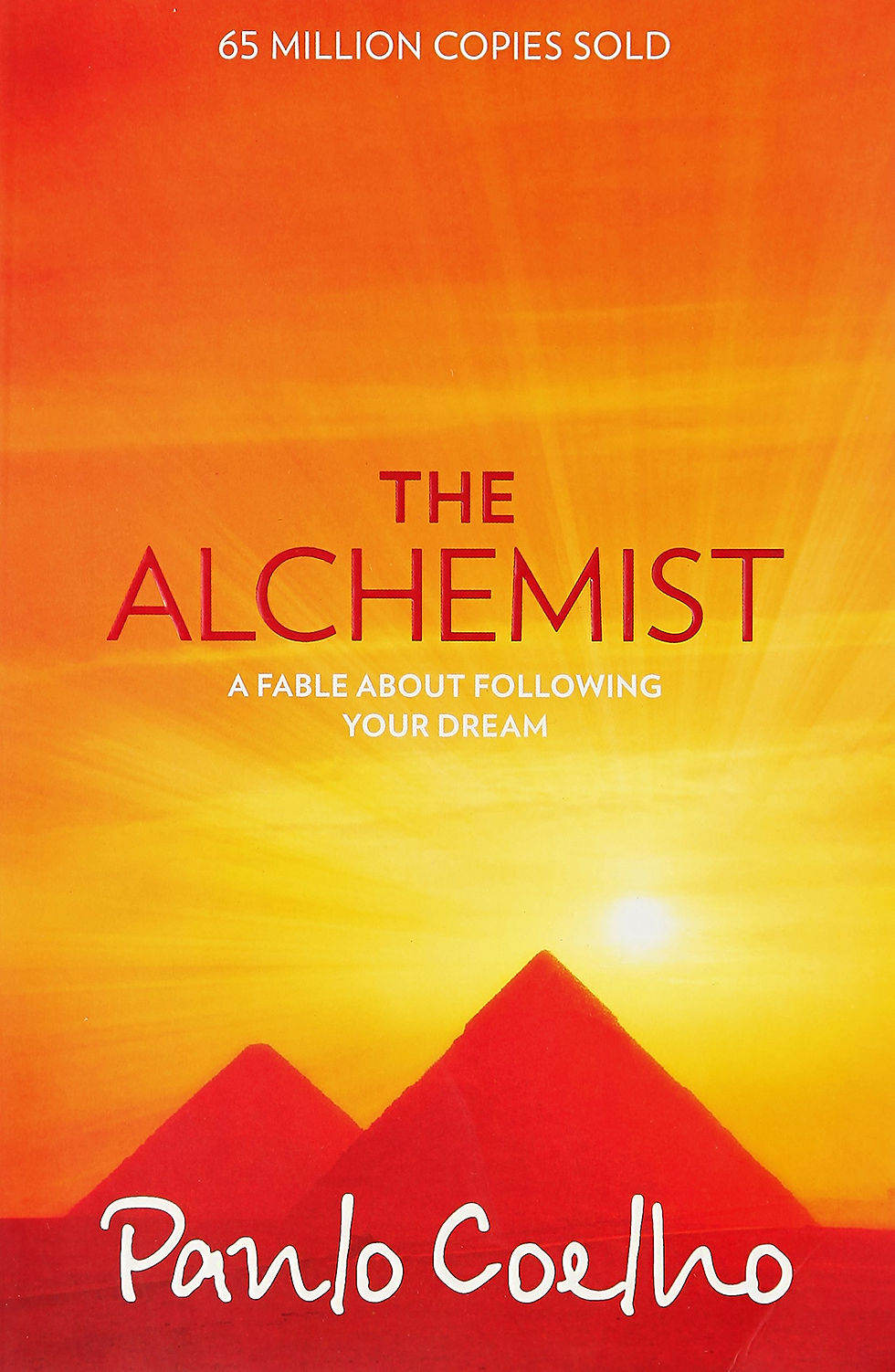
Entertainment has a unique job when it comes to how they have to portray success stories, a job that often comes at the expense of those it is trying to entertain. Any fictionalized success story, even if it is based on a true story, has to leave you feeling good about what happened in it. The good guys should win, the bad guys should lose, and you should leave taking some piece of the story with you, so it stays on your mind for a while. With a book, this usually doesn’t interfere with it telling a realistic success story. Over the summer I read The Alchemist and the way it portrayed the difficulty of achieving your dreams really made me think about how I react to struggle when working on some long-term goal. The book was satisfying, it had an optimistic tone, but it also realistically depicted why goals are so hard to accomplish due to our lack of perspective as, “…one dies of thirst just when the palm trees have appeared on the horizon” (Coelho). The author takes his time to explore his theme, playing with the very structure of the hero’s journey to show how real-life has stark differences from fiction. Normally the refusal to call happens before the hero begins their quest, but Coelho puts the refusal to call in the middle of Santiago’s quest to have in mimic the human behavior of giving up after losing motivation to do something. It’s a unique, inspirational goal about pushing through adversity, and one that could never be achieved in Hollywood.
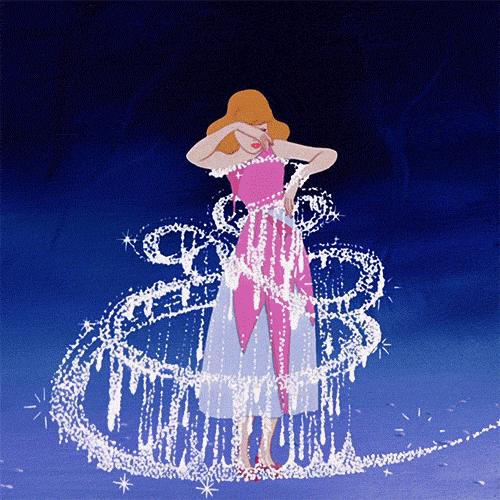
Movies have a strict time constraint to them; 100 to 120 minutes is generally all you get. Any longer and you risk your movie coming across as slow and boring, but, in addition to that, movies are far more inefficient than books. People can generally read faster than they can talk, so dialogue, the main aspect in most movies, becomes much slower than if you were to put that down into writing. As a result, all the interesting elements of books like The Alchemist end up getting pushed to the wayside in order to fit all the base elements into the movie. Hollywood has been spoon-feeding us completely unrealistic success stories for years to keep within the confines of the rigid structure they have set up. Movies like Cinderella Man, Willy Wonka, Scarface, Cinderella, and Citizen Kane are all great movies, but horribly inaccurate to the real-life success story. These are classic movies that are amazingly enjoyable to watch for their unique stories they tell, but if you get inspired by them, which is their main purpose, then you sentence yourself to a never-ending road of achieving an unachievable goal, as it was never real to begin with.

To give Hollywood the benefit of the doubt, they have been starting to do movies that address this issue. Anna and the Apocalypse, a personal favorite of mine, spends the whole runtime playing off the classic Hollywood zombie movie. The thematic tone of the whole movie is one of being underwhelmed, the main love interest dies, the two characters who are in love ending up becoming zombies and having their memories wiped, the main bully isn’t even really that bad to begin with, it subverts your expectations by making things realistic. Or maybe look at The Social Network, a biopic on the life of Mark Zuckerberg and his journey creating Facebook. It shows all the people he had to step on and all the things he stole to create his “self-made” empire, breaking down his lie of his own rags to riches story. We’ve figured out, as a society, the dangers of this type of story. We’ve started to take steps to distance real-life success and success on a screen. These movies aren’t bad, they’re just misleading. They trick you into believing that success is an easy one step to the next, it is a grueling crawl to move up social classes. So, next time you turn on a movie, don’t worry about what you’re consuming, but focus on how you’re consuming it.

Comments